
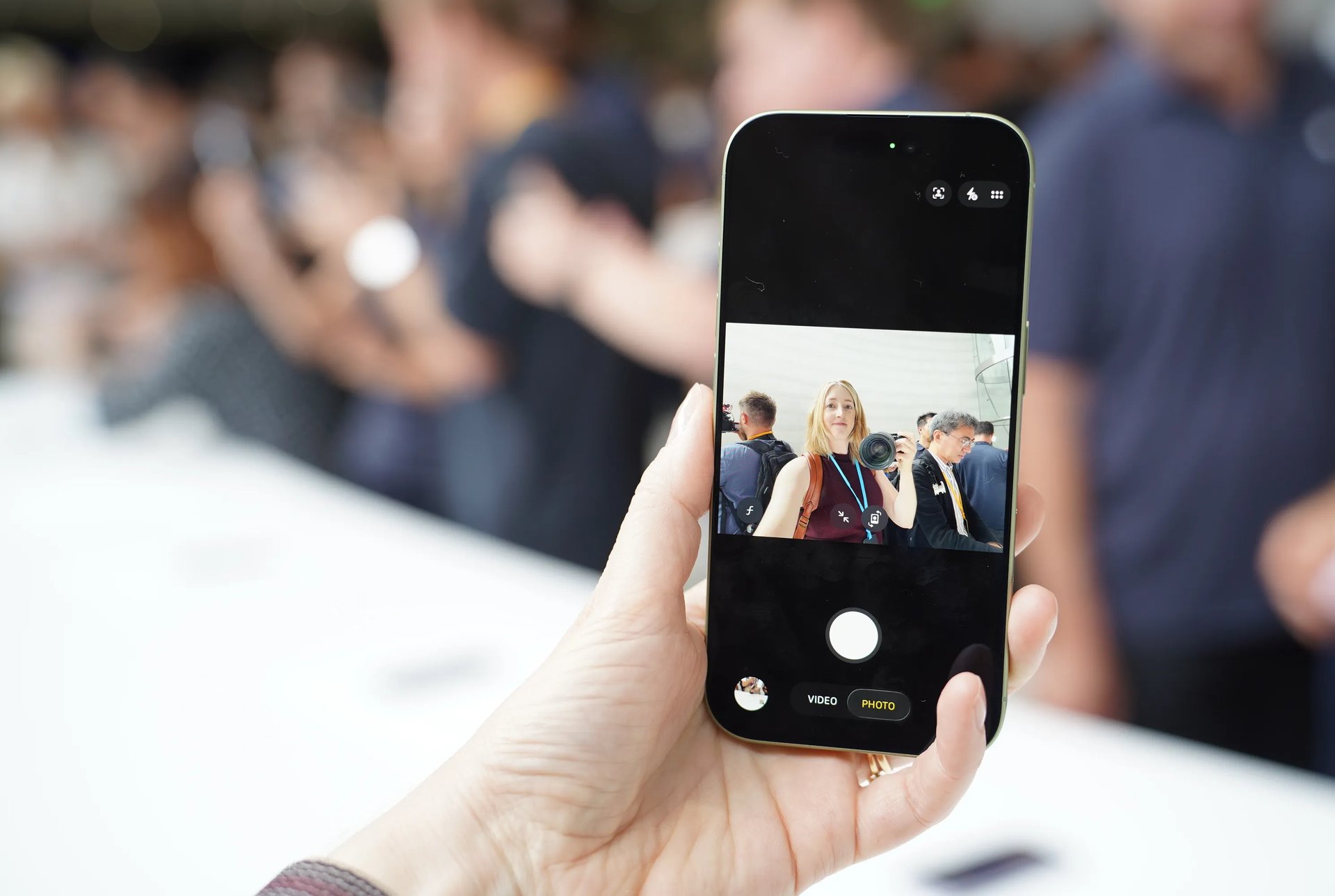
The iPhone 17: A Triumph of Innovation, or Just the Joy of Finally Catching Up?
MKBHD crowned the base iPhone 17 'Phone of the Year,' but was the title earned through innovation or simply by catching up? We dive into the controversy, pitting Apple’s polished 'default' against powerhouse rivals like the OnePlus 15 and Vivo X300 Pro to ask: Does finally fixing old flaws deserve the industry's top honor?
TECH REVIEWS
Emji
12/22/20254 min read
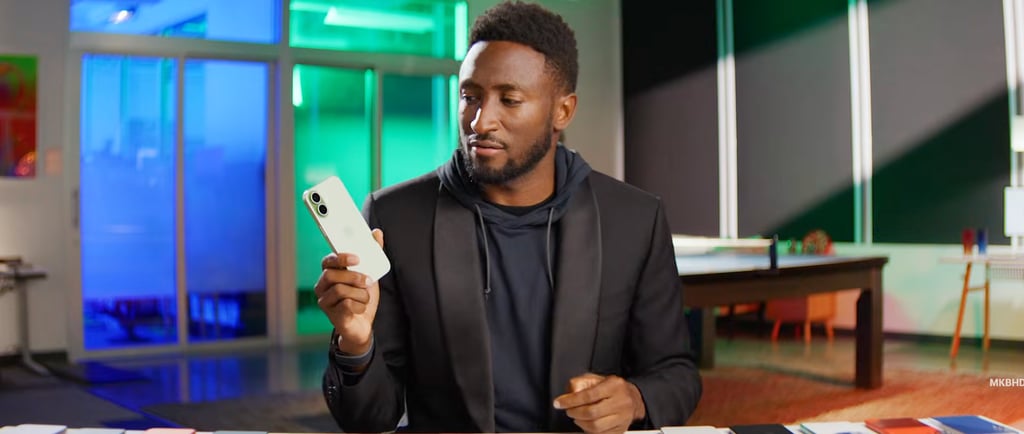

The Display: Welcome to 2021
The biggest change is the arrival of ProMotion (120Hz high refresh rate) and the Always-On display to the base model.
The Criticism: It is frankly ridiculous that it took until the iPhone 17 for this to happen. Android phones costing $300 have had high refresh rates for years. Apple’s gatekeeping of this essential feature to force users toward the Pro models was user-hostile.
The Praise: Now that it’s here, it’s glorious. Apple’s implementation of variable refresh rates is arguably the smoothest in the business. It makes the phone feel immediately faster and more modern. By fixing the single worst thing about the base iPhone, the entire experience is elevated.
The Camera System: Consistent, if not Courageous
The camera is where the battle for "Phone of the Year" usually gets bloody.
The Reality: The iPhone 17 finally adopts a decent optical zoom lens, moving away from relying solely on digital cropping. The main sensor is larger, and Apple's photonic engine continues to churn out incredibly reliable, color-accurate photos and the best video in the industry, bar none.
The Competition: However, compared to the Vivo X300 Pro with its massive 1-inch sensor and variable aperture telephoto lenses, the iPhone 17’s hardware is merely "good." If you want the absolute peak of photographic capability, you still look elsewhere. But for the average person who wants to point and shoot and get a perfect image every time, the iPhone 17 has mastered consistency.
Battery Life and Efficiency
This is an area where Apple genuinely deserves the trophy. The integration of the A19 chip (even the binned version in the base model) with iOS results in startling efficiency.
While the OnePlus 15 might have a larger physical battery and faster charging (another area where Apple still drags its feet), the iPhone 17’s real-world endurance is phenomenal. It’s the phone you can take off the charger at 7 AM and still have 30% left at midnight, regardless of how hard you pushed it. In the world of daily drivers, reliability beats raw specs.
The tech world has its annual rituals, and few are as loudly debated as the end-of-year awards. This year, MKBHD—and a chorus of other prominent reviewers—threw a curveball that has many enthusiasts scratching their heads. They named the base model iPhone 17 as the "Phone of the Year."
If your immediate reaction was skepticism, you aren’t alone. We are living in a golden age of smartphone competition. The OnePlus 15 is practically flawless, the Oppo Find X9 is pushing boundaries in design and charging, and the Vivo X300 Pro possesses camera hardware that rightfully terrifies traditional camera manufacturers.
So, how did the standard, non-Pro iPhone snatch the crown? Is this a case of genuine excellence, or are we just collectively giving Apple a standing ovation for finally doing the bare minimum?
The truth, as usual, lies somewhere in the messy middle. The iPhone 17 is fantastic, but the reason it’s fantastic is deeply frustrating.
Why the Reviewers Picked It
So, why did MKBHD choose it over the powerhouse Android flagships?
It comes down to impact. A niche Android flagship pushing the boundaries of zoom technology is exciting for enthusiasts. But a base model iPhone that finally has zero major compromises affects tens of millions of people.
By adding the missing features, the iPhone 17 became the ultimate "default" recommendation. It’s the Toyota Camry of phones: it’s not exciting, it doesn't have the horsepower of a Ferrari, but it is unbelievably reliable, holds its value, and does everything 99% of people need it to do perfectly. Reviewers often reward the product that offers the best overall package for the most people, and the iPhone 17 nailed that brief.
Does it Deserve the Title?
I personally agree with the sentiment that the iPhone 17 is now a truly great base model phone. It is finally the product it should have been three years ago.
But does fixing your own self-imposed flaws warrant "Phone of the Year"? Usually, that title is reserved for devices that push the industry forward, take risks, or introduce something genuinely new. The iPhone 17 does none of those things. It simply stopped holding back.
It’s a flawless execution of a safe play. Whether that makes it the best phone of the year, or just the most improved, is a matter of perspective.
What do you think? Is the iPhone 17 truly the best smartphone of the year because it perfected the fundamentals for the masses? Or should the title go to an Android competitor that is actually trying to push the envelope of what mobile technology can do?


The Soft Bigotry of Low Expectations
For years, the base iPhone has been the "compromise phone." You bought it because you wanted iOS and blue bubbles, but you had to accept an embarrassing 60Hz display, slow USB-C (or Lightning) speeds, and the lack of a telephoto lens.
The main reason MKBHD and others are praising the iPhone 17 is that Apple finally removed the handcuffs. The "Phone of the Year" title feels less like an award for groundbreaking innovation and more like a sigh of relief.
Let's look at the key areas where this dynamic plays out.

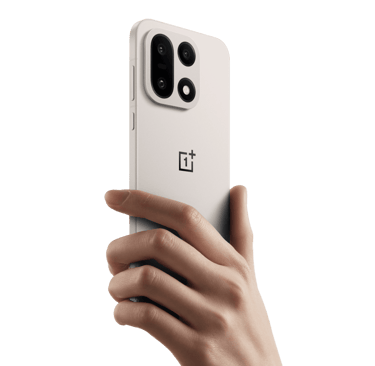

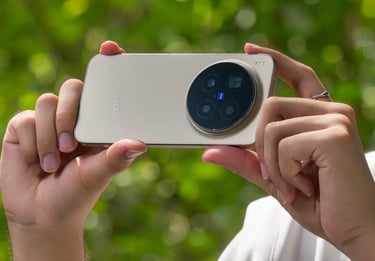
Images Source: MKBHD YouTube Channel, The Verge
Connect
Drop a line anytime, I’d love to hear
hello@heyemji.com
© 2025. All rights reserved.